Get Propane Line Installation
Propane line installation services help property owners safely set up and connect propane lines for appliances, heating systems, and outdoor projects.
Property owners exploring propane line installation often prioritize safety, efficiency, and long-term reliability for their energy needs. Whether upgrading an existing system or installing new lines for appliances, having professional assistance ensures the project meets necessary standards and functions properly. Local contractors experienced in propane line work can provide valuable insights during planning, helping to identify practical solutions tailored to the specific requirements of the property.
Comparing options among local service providers allows property owners to find the right fit for their project. It’s important to consider the expertise, reputation, and service offerings of local contractors to make informed decisions. Continuing to explore available options can help ensure the installation process proceeds smoothly and results in a dependable propane system that supports the property’s needs effectively.
- Residential propane line installation - homeowners may need this service when setting up or upgrading propane supply lines for heating or appliances.
- Commercial propane line setup - businesses requiring reliable propane connections for cooking, heating, or industrial processes often seek professional installation.
- Propane line repairs and upgrades - property owners might need repairs or upgrades to ensure safe and efficient propane system operation.
- Propane line extension services - clients expanding their property or adding new appliances may require extending existing propane lines.
- Propane line inspection services - property managers or owners may request inspections to verify the safety and compliance of their propane systems.
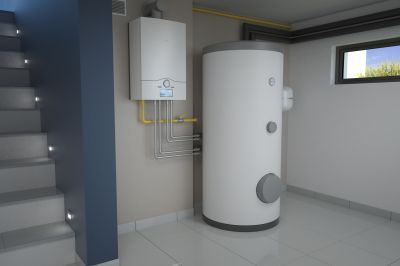
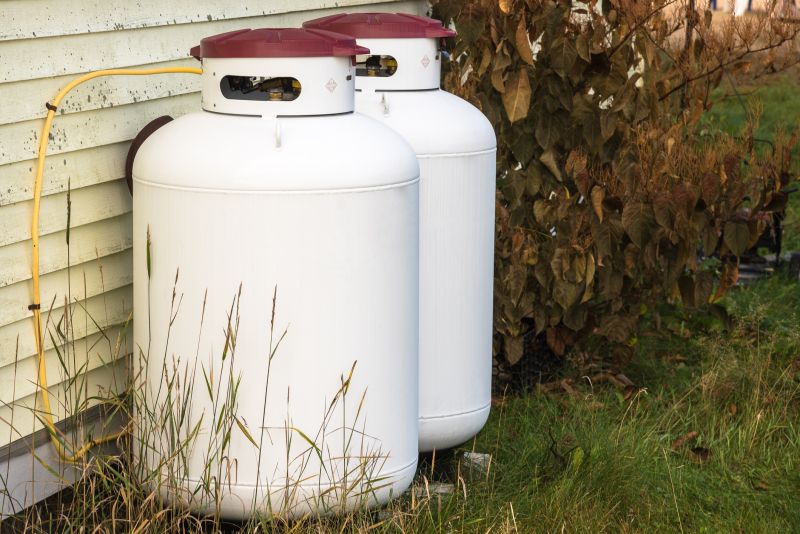
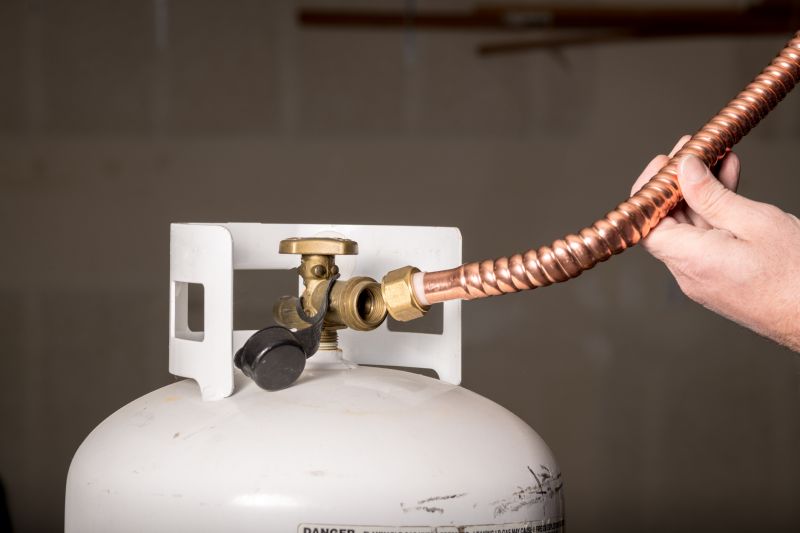
Propane line installation services involve setting up a safe and reliable system to supply propane gas from a main source to various appliances within a property. This process typically includes assessing the property’s layout, designing an appropriate piping route, and installing durable, code-compliant lines that connect to appliances such as furnaces, water heaters, stoves, or fireplaces. Skilled service providers ensure that the installation is performed correctly to prevent leaks, ensure proper gas flow, and meet all safety standards. Proper installation is essential for homes and businesses that rely on propane for heating, cooking, or other energy needs.
These services help resolve common problems related to propane supply, such as inadequate or inconsistent gas flow, leaks, or outdated piping systems that no longer meet safety standards. Homeowners who experience fluctuations in propane pressure or notice a smell of gas may need professional assessment and installation of new lines. Additionally, properties that are expanding or renovating might require additional piping to accommodate new appliances or increased usage. Having a properly installed propane line system not only ensures efficient operation but also minimizes the risk of dangerous leaks or failures.
Propane line installation is often needed for a variety of property types, including single-family homes, multi-unit residential buildings, and small commercial properties. Rural homes that are not connected to natural gas lines frequently depend on propane as their primary energy source, making reliable propane delivery critical. Properties with outdoor kitchens, garages, workshops, or recreational areas may also require additional propane lines to power appliances or heating units in those spaces. Service providers experienced in propane piping can tailor installations to suit the specific layout and energy needs of different property types.
Homeowners considering propane for heating, cooking, or other applications should consult with local contractors to determine if a new propane line installation is appropriate. Whether upgrading an existing system or installing a new one, professional service providers can evaluate the property’s requirements and ensure the system is set up safely and efficiently. Properly installed propane lines contribute to reliable energy supply and help prevent potential hazards, making them an important investment for properties that depend on propane fuel.
The overview below groups typical Propane Line Installation projects into broad ranges so you can see how smaller, mid-sized, and larger jobs often compare in your area.
In many markets, a large share of routine jobs stays in the lower and middle ranges, while only a smaller percentage of projects moves into the highest bands when the work is more complex or site conditions are harder than average.
Smaller Repairs - Typical costs for minor propane line repairs or replacements usually range from $250 to $600. Many routine jobs fall within this middle range, with fewer projects reaching the higher end of the spectrum. Local contractors can often complete these repairs efficiently and affordably.
Line Extensions - Extending existing propane lines for additional appliances or outdoor use generally costs between $1,000 and $3,000. Larger, more complex extensions can exceed this range, especially if trenching or extensive modifications are needed. Many projects are completed within the mid-range estimates.
Full Propane Line Replacement - Replacing an entire propane line system typically costs from $3,000 to $7,000, depending on the size of the property and complexity of the installation. Larger or more intricate setups can push costs beyond this range, though most replacements fall into the middle tier. Local service providers can assess specific needs to provide accurate estimates.
Commercial or Large-Scale Installations - Large, commercial propane line installations can range from $10,000 to $50,000 or more, depending on the scope and site conditions. These projects are less common and tend to be at the higher end of the spectrum, requiring specialized planning and equipment. Many local contractors can handle projects within this range based on detailed site assessments.
Actual totals will depend on details like access to the work area, the scope of the project, and the materials selected, so use these as general starting points rather than exact figures.
Natural Gas Line Installation - technicians who install natural gas lines often have skills similar to those needed for propane line setup, including planning, excavation, and safe piping techniques.
LP Gas Tank Installation - professionals who install propane tanks also handle related piping and line connections, making their expertise relevant to propane line installation projects.
Outdoor Kitchen Plumbing - outdoor kitchen setups require precise gas line routing and connection, aligning with the planning and installation skills used in propane line work.
Fire Pit Gas Line Setup - installing gas lines for fire pits involves similar safety measures and piping skills as propane line installation services.
HVAC Gas Line Services - HVAC technicians experienced in gas line routing and connection are capable of handling propane line installation with proper planning and safety protocols.
Gas Appliance Hookup - connecting appliances like grills and heaters involves gas line connections that require similar skills to propane line installation projects.
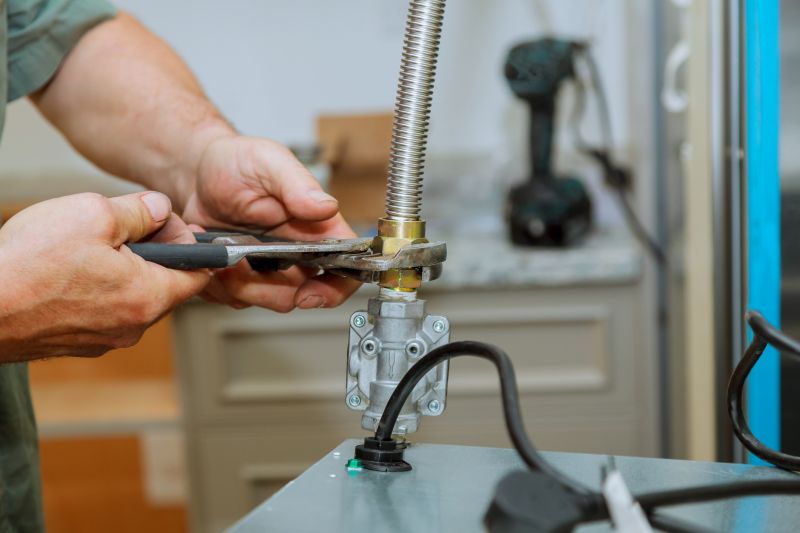
When comparing service providers for propane line installation, it’s important to consider their experience with similar projects. Homeowners should look for local contractors who have a proven track record of handling propane line work in residential settings. An experienced professional is more likely to understand the nuances of proper installation, adhere to safety standards, and navigate any unforeseen challenges that may arise during the process. Reviewing the types of projects they have completed can help assess whether their expertise aligns with the specific requirements of the home.
Clear written expectations are essential to ensure that both parties are aligned on the scope of work. Homeowners should seek out local pros who provide detailed descriptions of their services, including what is included and what is not. This clarity helps prevent misunderstandings and ensures that the project’s goals are well-defined from the outset. When evaluating options, it can be helpful to request written estimates or proposals that outline the work plan, materials, and any assumptions made, fostering transparency and trust.
Reputable references and good communication are key indicators of a dependable service provider. Homeowners are encouraged to ask for references or reviews from previous clients who have had similar propane line projects completed. This feedback can offer insights into the contractor’s professionalism, reliability, and quality of work. Additionally, effective communication throughout the process-such as prompt responses to questions and clear updates-can make the experience smoother and more predictable. The goal is to connect with local contractors who are known for their professionalism and responsiveness, ensuring a positive experience from start to finish.
Property owners use Propane Line Installation services for practical projects around their homes and businesses. This guide focuses on everyday jobs and straightforward project options.
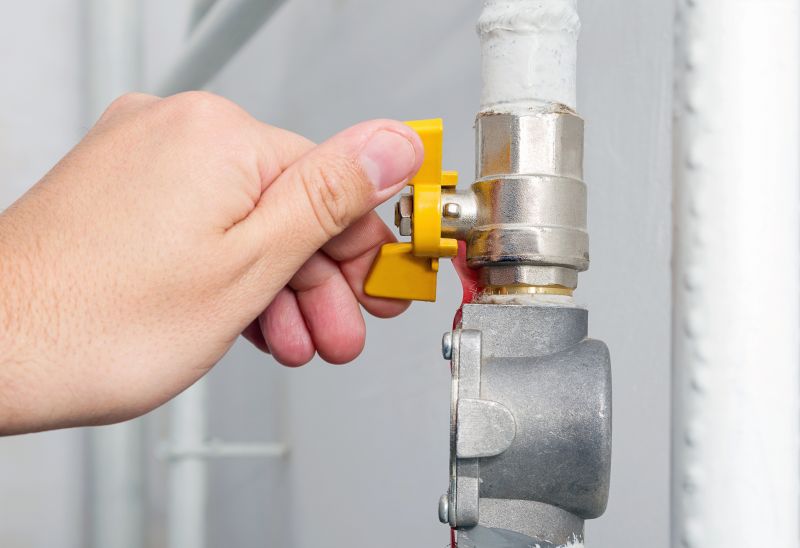
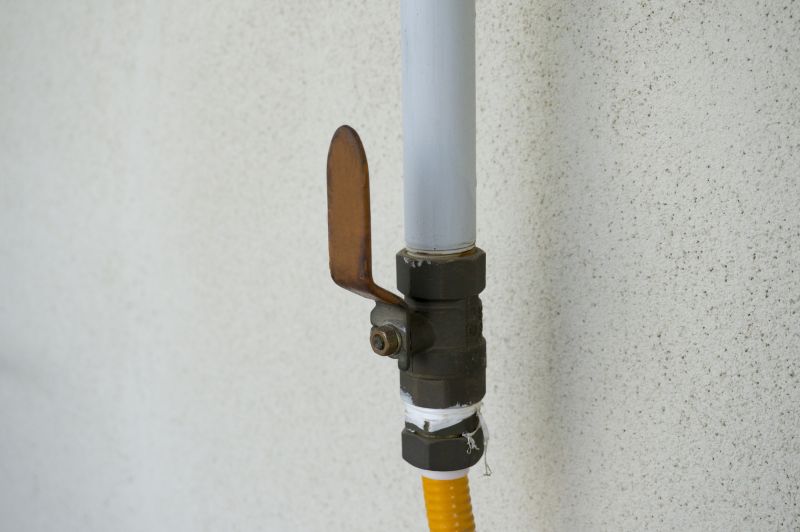
Propane line installation is a common need for property owners who rely on propane for heating, cooking, or outdoor appliances. Whether upgrading an existing system or setting up a new propane supply, local contractors can handle installations that ensure proper connection and safety. Homeowners or business owners might seek these services when expanding their property, replacing outdated lines, or installing new appliances that require a reliable propane source.
In many cases, property owners look for propane line installation services when preparing for seasonal changes or outdoor events that depend on propane-powered equipment. Additionally, those building new structures or renovating existing ones may require professional assistance to ensure the propane lines are installed correctly and meet local standards. Local service providers are available to help with these everyday projects, providing the expertise needed for a safe and efficient propane setup.
What is propane line installation? Propane line installation involves setting up the piping system that delivers propane gas from the tank to appliances or appliances that require propane fuel.
Why should I hire a professional for propane line installation? Professional contractors ensure the installation complies with safety standards and local codes, reducing the risk of leaks or other hazards.
How do local service providers handle propane line installation? Local contractors assess the property, plan the piping layout, and install the propane lines safely and efficiently according to industry best practices.
What types of properties can benefit from propane line installation? Both residential and commercial properties that use propane for heating, cooking, or other appliances can benefit from professional propane line setup.
What should I consider before scheduling propane line installation? It's important to evaluate the location of the propane tank, the layout of the property, and any specific appliance requirements before installation.
Home Heating Optimization - Property owners can install propane lines to ensure efficient and reliable heating for residential or outdoor spaces during colder months.
Outdoor Kitchen Setup - Propane line installation enables the addition of outdoor grills, fire pits, or kitchen appliances for convenient outdoor cooking.
Emergency Power Backup - Connecting generators to propane lines provides a steady fuel source for backup power during outages or emergencies.
Hobby and Workshop Equipment - Propane lines can supply fuel for heating or powering equipment in workshops or hobby areas around the property.
If you are thinking about Propane Line Installation for a property, this guide is meant to help you understand the work, the typical project types, and how different options might fit your plans.
When you are ready, you can use the quote form on this page to share a few details about your project. From there, local pros can review the basics and respond with options that match what you have in mind.