Water Leak Detection in Denver, CO
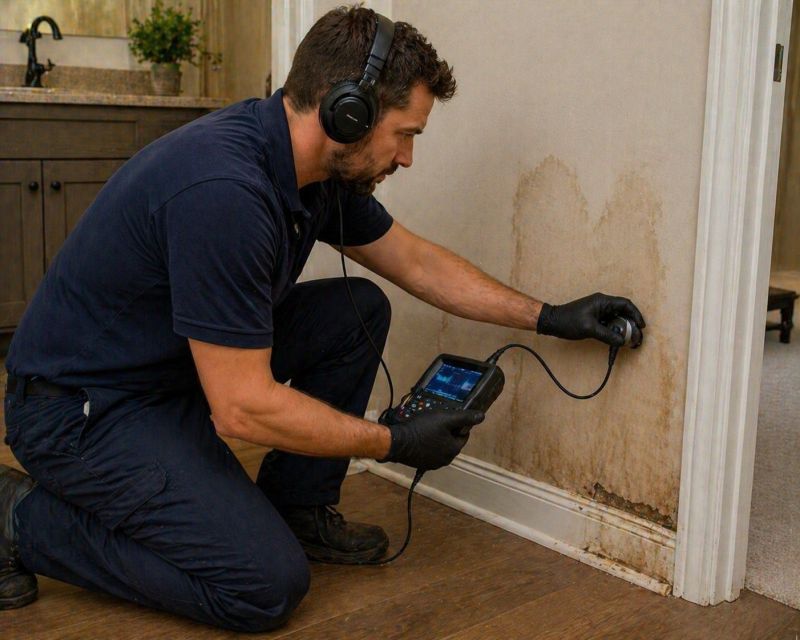
Water leak detection services involve identifying the precise locations of hidden leaks within a property’s plumbing system or infrastructure. These services are commonly requested for issues such as unexplained increases in water bills, damp spots on walls or floors, or the presence of mold and mildew. Projects may include locating leaks behind walls, under slabs, in underground pipes, or within ceilings, helping homeowners address problems early before they cause significant damage or costly repairs. Property owners should understand the scope of the detection process, including the methods used and the areas that can be tested, to ensure the service addresses their specific concerns effectively.
Before requesting water leak detection, property owners often want to know about the types of leaks the service can identify and the signs indicating a leak may be present. Clarifying whether the service can locate leaks in specific areas-such as basements, yards, or behind fixtures-can help determine if the service is suitable for their needs. Additionally, understanding the detection process and what to expect during the inspection can assist in planning repairs or further assessments, ensuring the problem is resolved efficiently and accurately.
Many property owners in Denver, CO look into Water Leak Detection for repairs, replacements, upgrades, and appearance-related improvements.
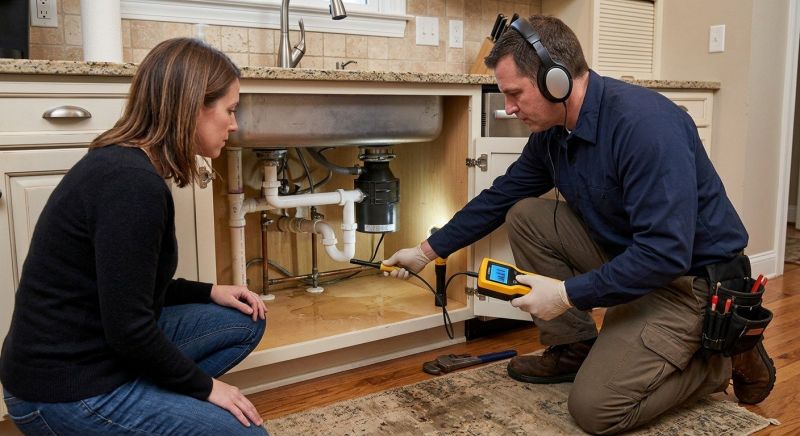
Signs Of Hidden Leaks
Unexplained increases in water bills or damp spots can indicate concealed water leaks in your property.
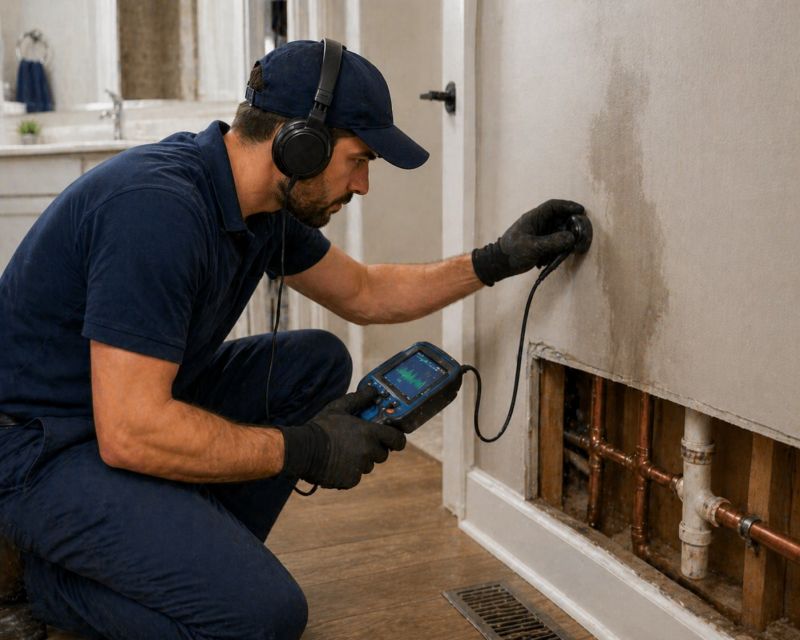
Detection Technologies
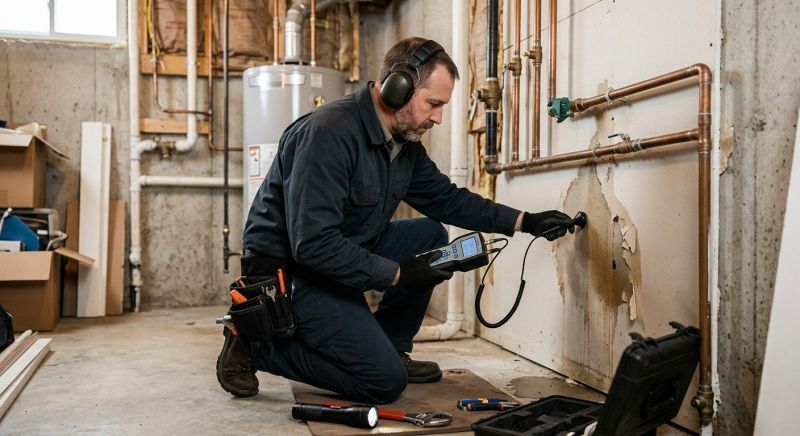
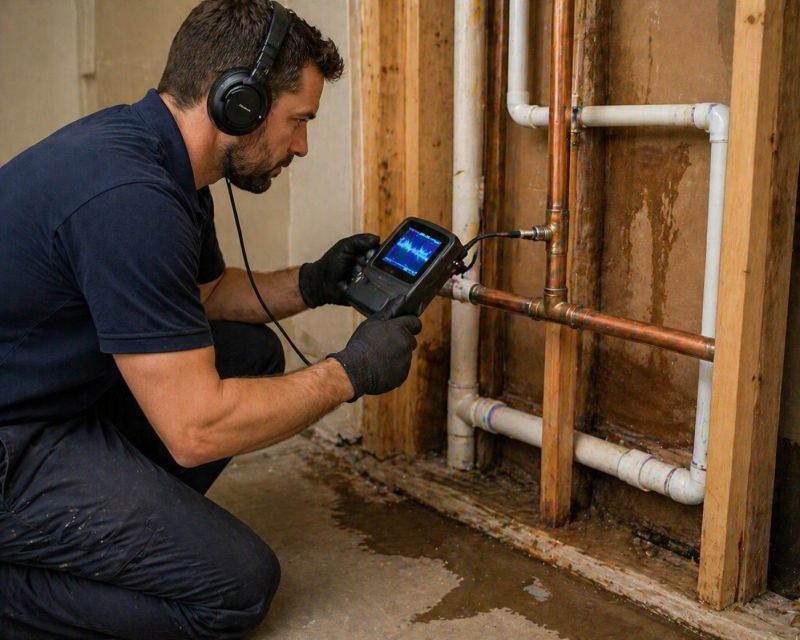
Advanced tools like acoustic sensors and thermal imaging help identify leaks behind walls and beneath floors.
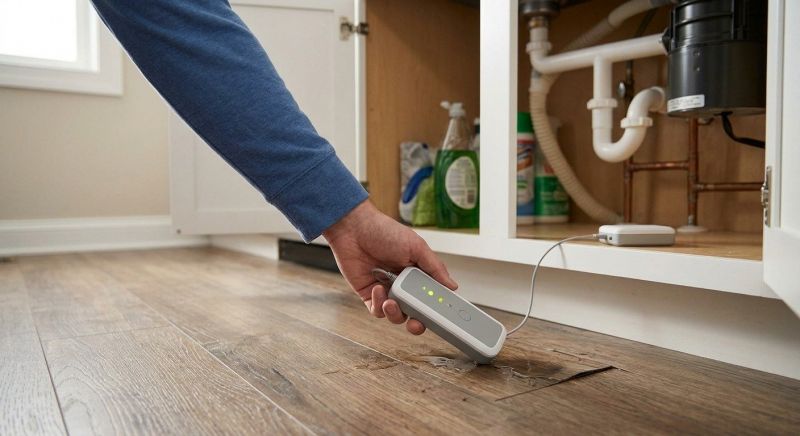
Preventing Water Damage
Early leak detection can help homeowners in denver avoid costly repairs and structural damage caused by water intrusion.
Water Leak Detection in Denver, CO

Water leak detection services involve identifying the precise locations of hidden leaks within a property’s plumbing system or infrastructure. These services are commonly requested for issues such as unexplained increases in water bills, damp spots on walls or floors, or the presence of mold and mildew. Projects may include locating leaks behind walls, under slabs, in underground pipes, or within ceilings, helping homeowners address problems early before they cause significant damage or costly repairs. Property owners should understand the scope of the detection process, including the methods used and the areas that can be tested, to ensure the service addresses their specific concerns effectively.
Before requesting water leak detection, property owners often want to know about the types of leaks the service can identify and the signs indicating a leak may be present. Clarifying whether the service can locate leaks in specific areas-such as basements, yards, or behind fixtures-can help determine if the service is suitable for their needs. Additionally, understanding the detection process and what to expect during the inspection can assist in planning repairs or further assessments, ensuring the problem is resolved efficiently and accurately.
Many property owners in Denver, CO look into Water Leak Detection for repairs, replacements, upgrades, and appearance-related improvements.
Common Water Leak Detection Jobs
Leak detection in plumbing systems - identifies hidden leaks behind walls and under floors.
Underground pipe leak detection - locates leaks in buried water lines without extensive excavation.
Roof and attic leak detection - finds sources of leaks caused by damaged roofing or flashing.
Appliance leak detection - detects leaks from washing machines, water heaters, and dishwashers.
Bathroom and kitchen leak detection - pinpoints leaks around sinks, toilets, and fixtures.
Commercial water leak detection - helps property owners identify leaks in larger or complex systems.

Water Leak Detection Questions
How can I tell if I have a water leak? Signs include unexplained increases in water bills, damp spots on walls or floors, and the sound of running water when no fixtures are in use.
What areas are checked during leak detection? Common areas include pipes behind walls, under floors, in basements, and within the slab foundation, depending on the property's layout.
Is water leak detection invasive? Techniques often involve non-invasive methods such as electronic listening devices and thermal imaging to locate leaks without damaging property surfaces.
Why is early leak detection important? Detecting leaks early helps prevent structural damage, mold growth, and costly repairs by addressing issues before they worsen.
Request Water Leak Detection in Denver, CO
Use the quote form on this page to share the basics of your project and request more information for the type of work you need.